

IRENE SINO-CRUZ
Housing demand remains strong in Central Visayas, but developers say growth could slow unless government and industry address regulatory delays, infrastructure gaps, and rising development costs.
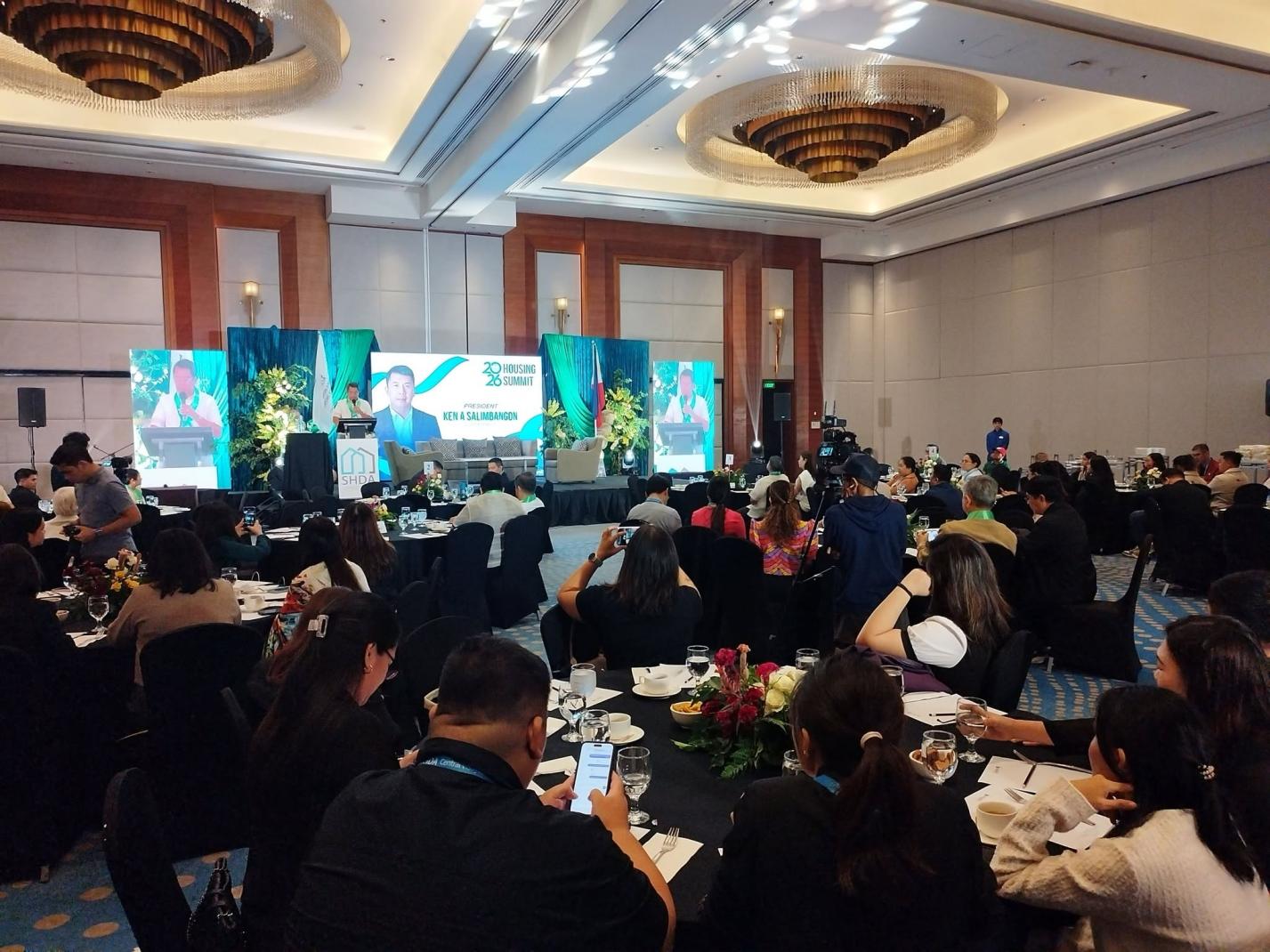
This was one of the main messages from the Housing Summit 2026 organized by the Subdivision and Housing Developers Association-Central Visayas (SHDA-CV).
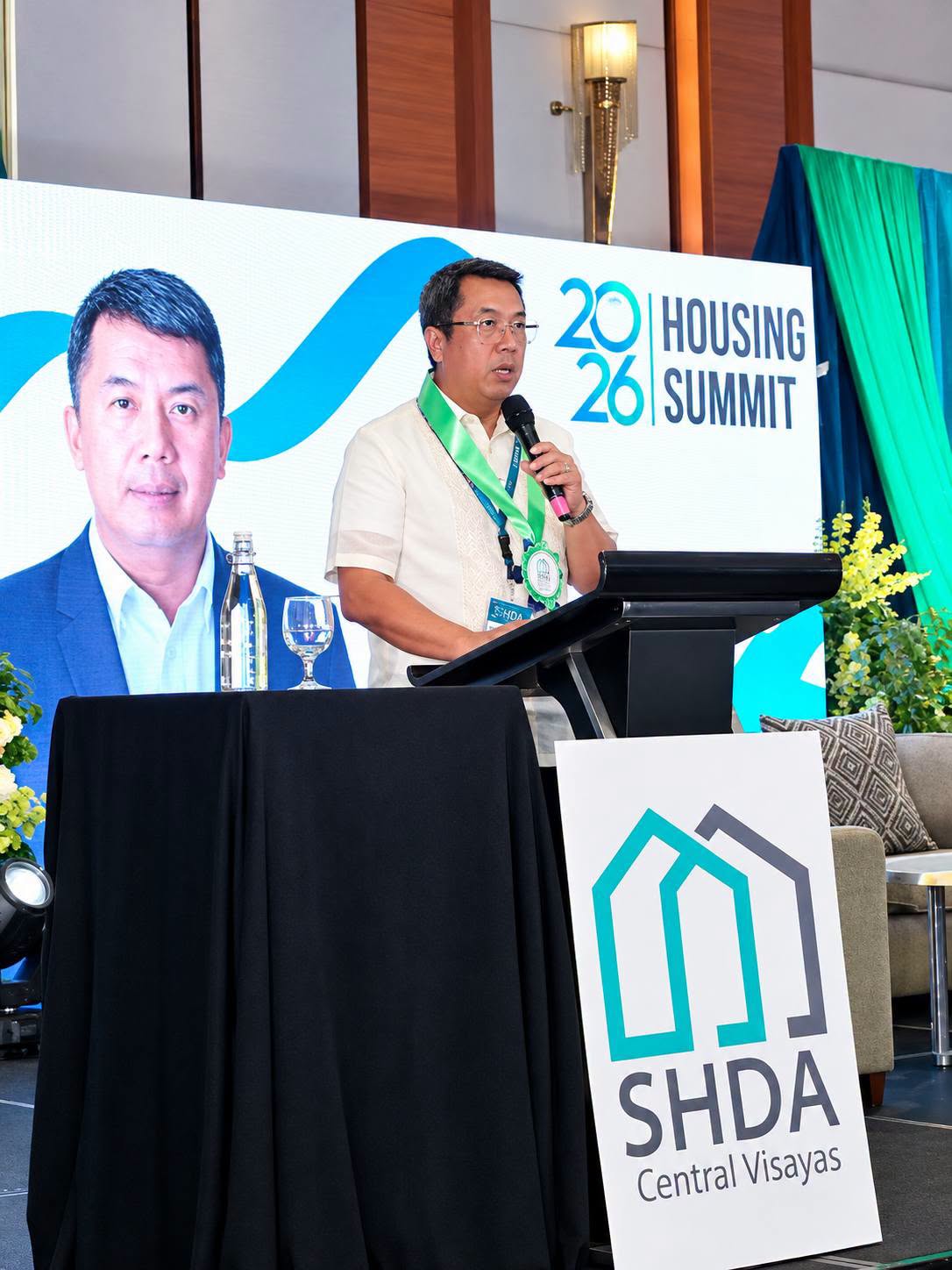
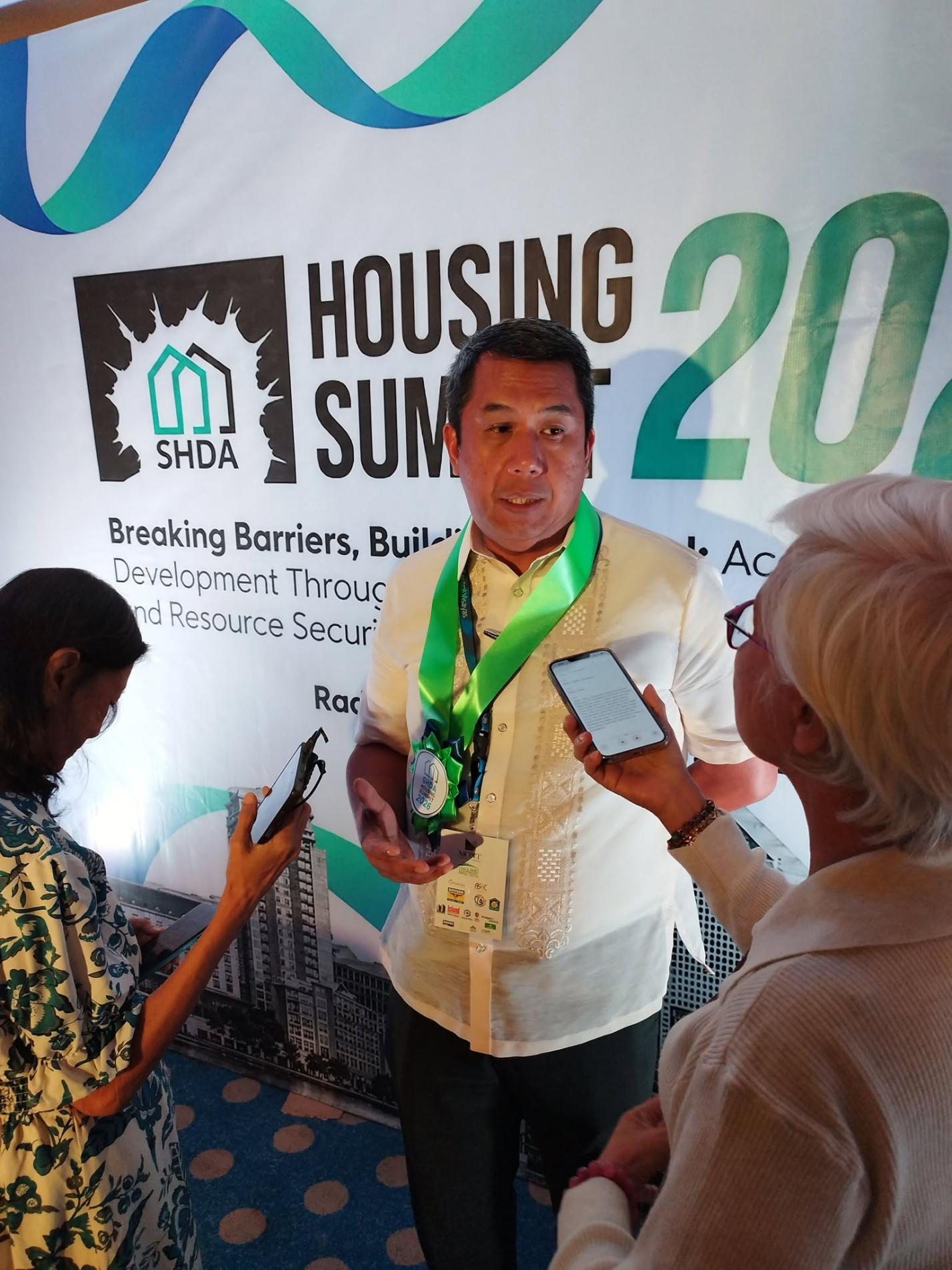
SHDA-CV President Ken A. Salimbangon said the summit made clear that the issues affecting housing development are closely connected.
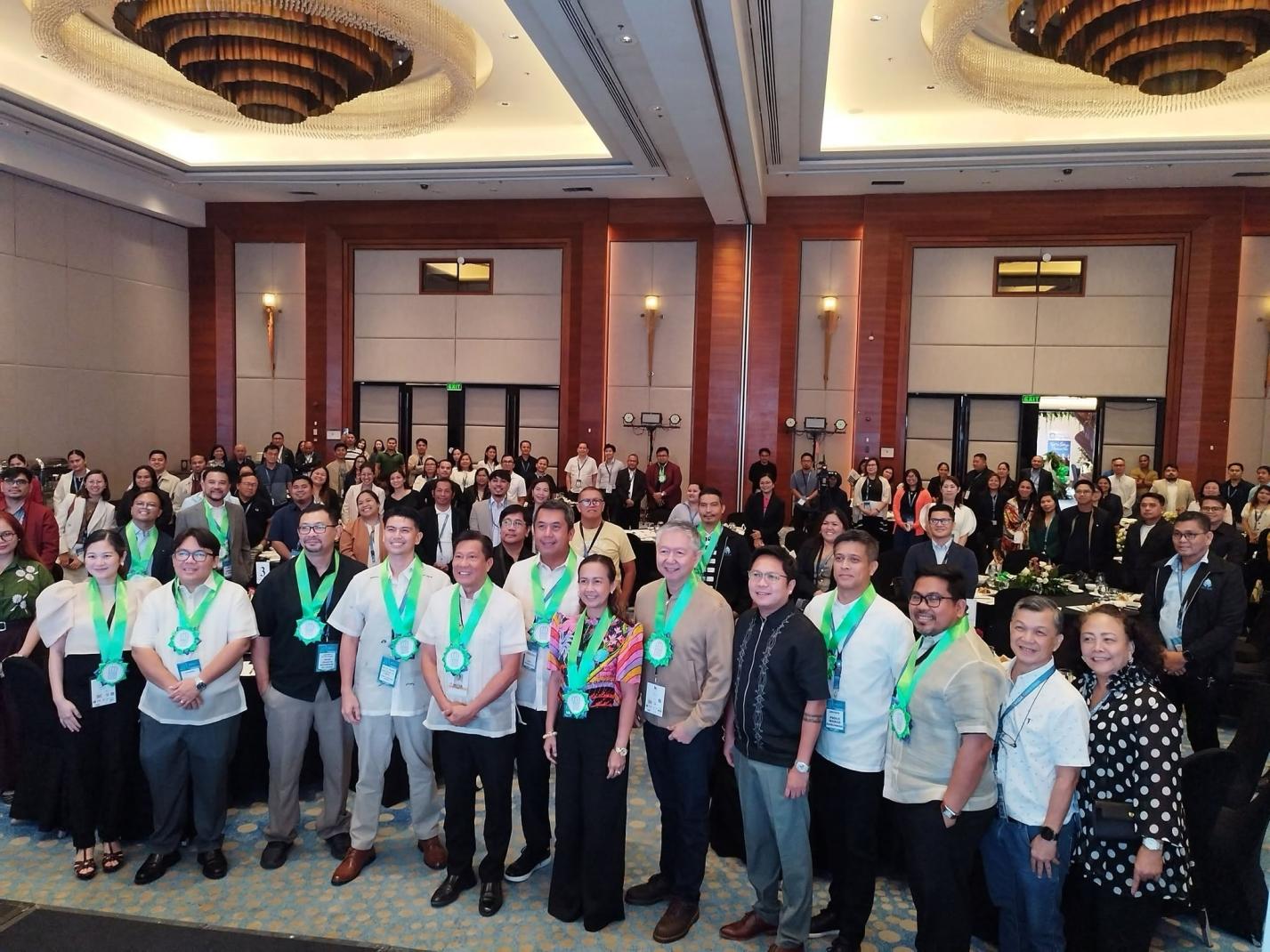
The discussions at the Housing Summit 2026 brought together government officials, developers, planners, utility providers, economists and other industry leaders who shared their views on the challenges facing the housing sector.
Salimbangon identified five areas that need attention: regulations, infrastructure and utilities, housing affordability, future growth areas and cooperation among the different sectors involved in housing.
Clearer rules, faster approvals
Salimbangon said developers recognize the government’s role in protecting homebuyers, enforcing standards and ensuring that housing projects are developed responsibly.
But he said regulations also need to be clear and the approval process predictable.
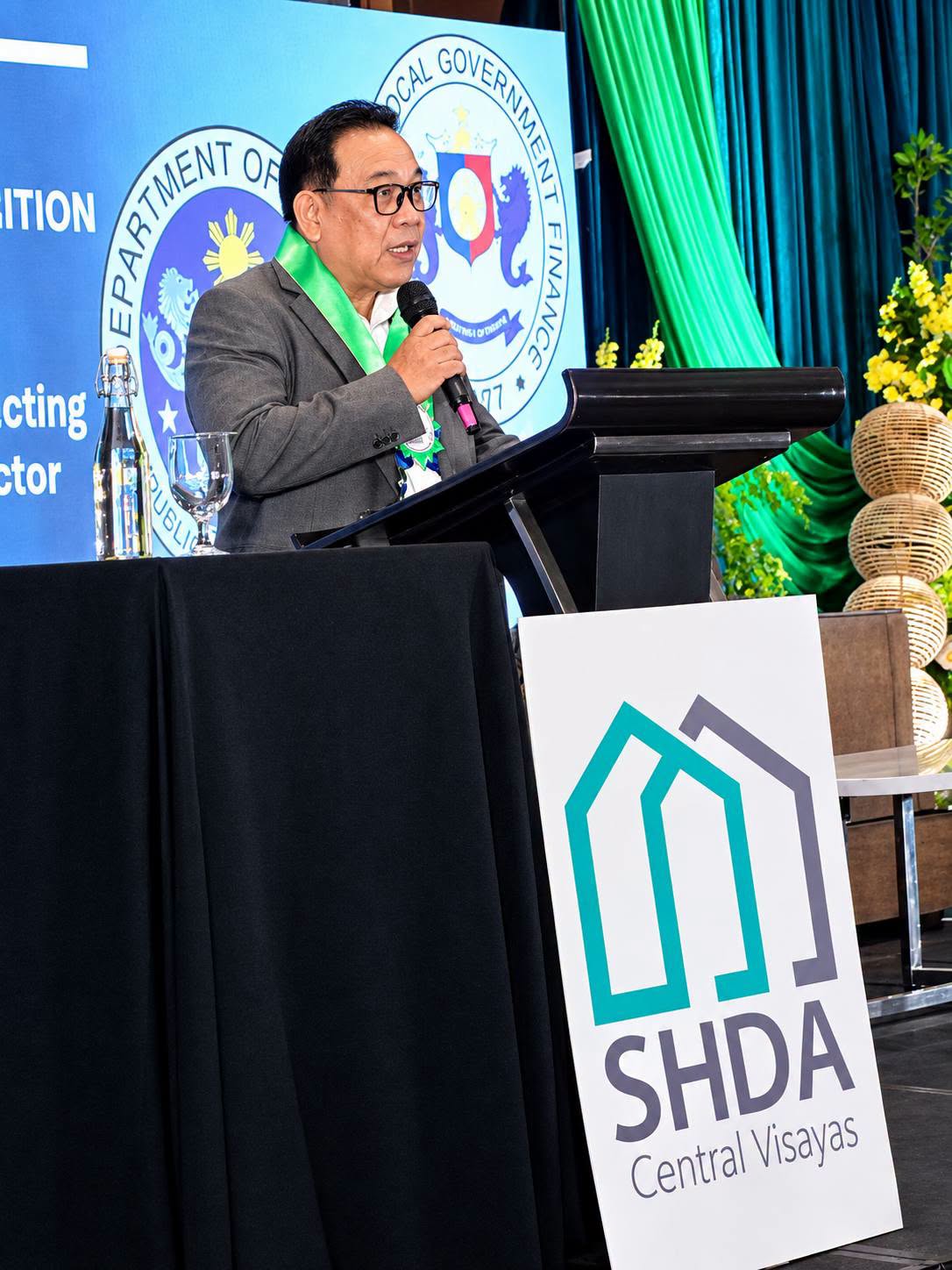
Mr. Gerard A. Avorque, Regional Director of the Bureau of Local Government Finance (BLGF) Region VII
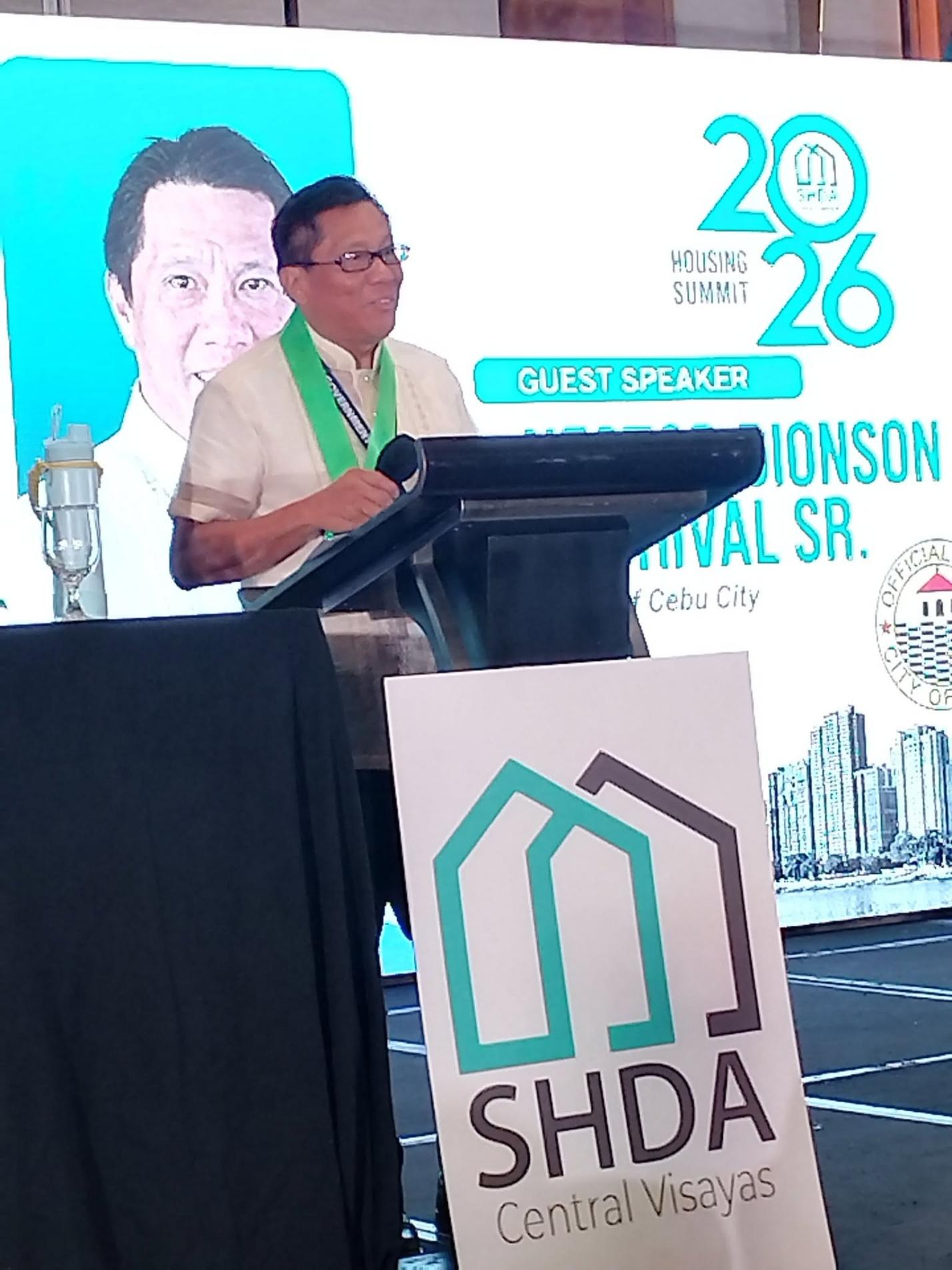
Cebu City Mayor Hon. Nestor Archival
During the summit, several government agencies discussed taxation, the Real Property Valuation and Assessment Reform Act (RPVARA), new housing policies, project approvals, and issues involving the License to Sell.
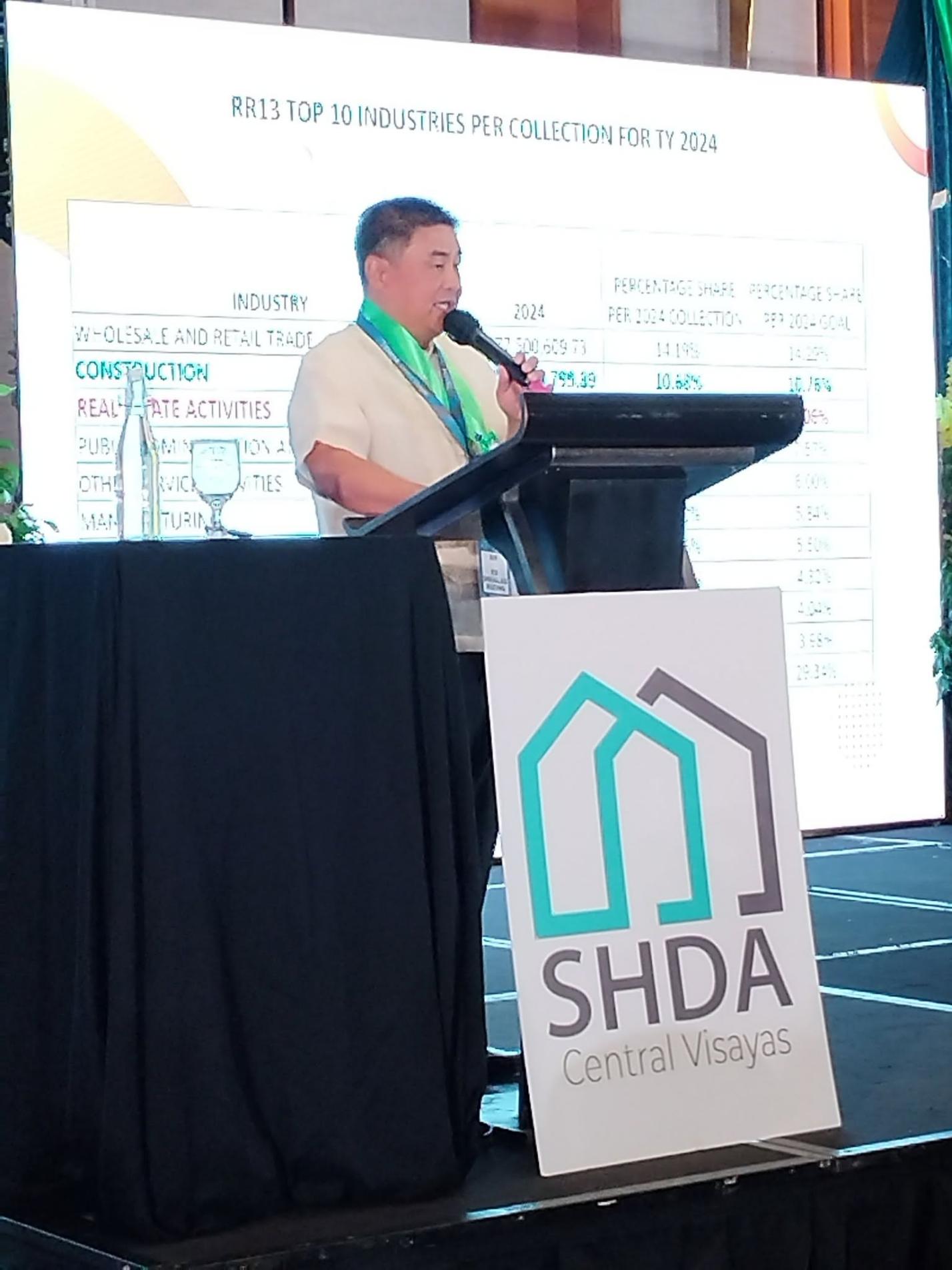
Bureau of Internal Revenue Region 7 Director Douglas Rufino discussed ‘Navigating Tax Reform and Compliance: Implications for Real Estate Development. Bureau of Local Government Finance Region 7 Gerard Avorque took up RP-VARA: Achieving Fair Market Value While Supporting Housing and Regional Growth.
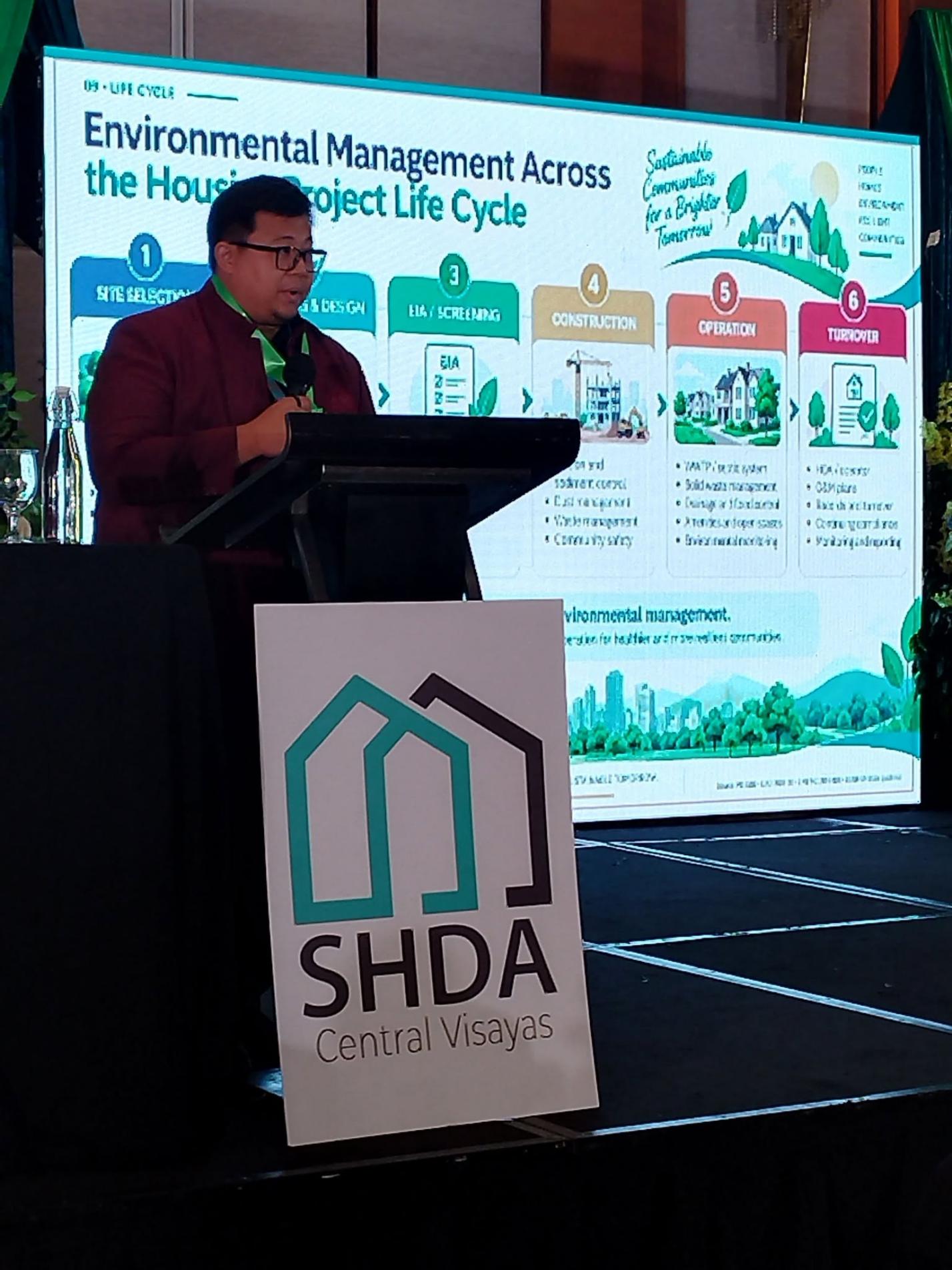
Environmental Management Bureau Region 7 Director John Edward Ang focused on Enabling Responsible and Sustainable Development.
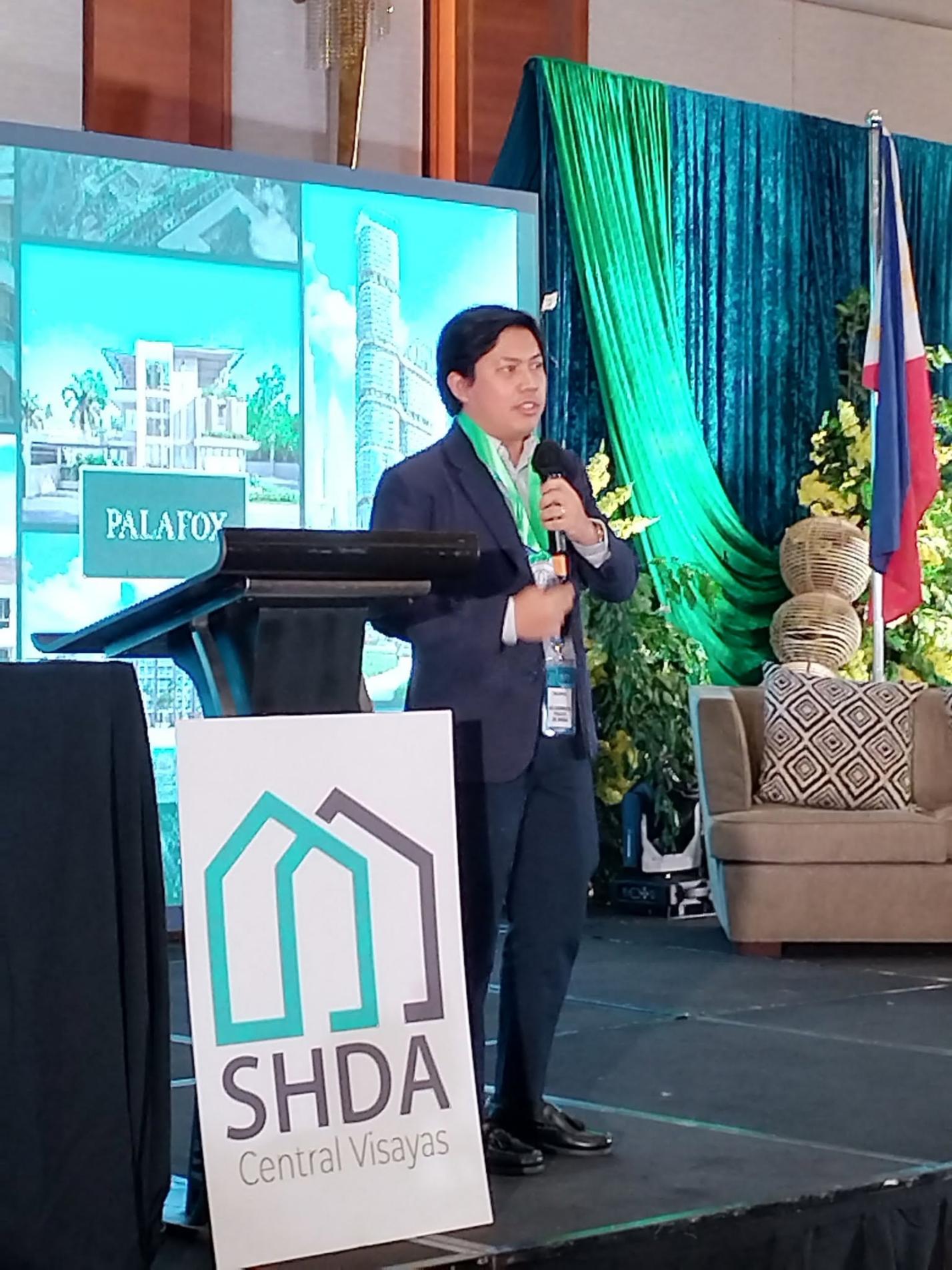
Ar. German Paulo de Mesa, partner and director for Strategy and Innovation of Palafox Associates, focused on Building Smarter: Design and Innovation for more Efficient, Sustainable Communities.
Meanwhile, Dr. Winston Conrad Parojinog focused on Smart Regulation, Sustainable Growth: Balancing Housing Policy, Affordability and Development Viability.
Housing and infrastructure must be planned together
Another concern raised during the summit was the need to match housing development with infrastructure.
Salimbangon said developers and planners need to look beyond available land when deciding where new communities can be built.
Water supply, power, roads, transportation and environmental conditions must also be considered.
“We cannot simply identify the next growth area based on available land,” he said.
“We also have to ask: Where will the water come from? Is there sufficient power? Are the roads and transportation systems ready?”
Salimbangon said developers, local government units, national agencies and utility providers need to discuss infrastructure needs before development takes place.
Waiting until a community is already growing can leave residents facing shortages and other problems.

Keeping homes affordable
The rising cost of fuel, construction materials, labor, logistics and financing also affects the price of housing.
Salimbangon said developers cannot simply pass every increase on to buyers. The industry also needs to find ways to build more efficiently and keep costs under control.
He challenged developers to look at design, construction methods, technology and financing as areas where improvements can be made.
“Our responsibility as housing developers is not merely to build more units. It is to make homeownership possible for more Filipino families,” he said.
This means looking for practical ways to reduce the cost of building and make financing easier for families who want to own a home.
Preparing for where Central Visayas will grow
The summit also looked at the region’s future growth.
Salimbangon said new infrastructure, business investments and population growth could create demand for housing in areas that are not yet major development centers.
New roads and other infrastructure can open up new areas, while new economic centers can bring jobs and, in turn, more demand for housing.
For developers, this creates opportunities. But Salimbangon said the industry also has a responsibility to make sure new communities are properly planned.
“We should not simply follow growth. We should help shape it,” he said.
Government and the private sector need to work together so that new communities have the roads, utilities and services they need. Development must also take into account the environment and the long-term needs of residents.
No single sector can solve the housing problem
Salimbangon said one of the clearest messages from the summit was that housing cannot be addressed by developers or government alone.
“No single sector can solve the housing challenge alone,” he said.
Government, developers, banks, utility companies, contractors and local governments all have a role in making housing development work.
For SHDA-CV, the discussions should lead to action beyond the summit.
Salimbangon said the association will continue working with government partners to identify areas where processes can be improved and infrastructure needs can be addressed earlier.
He also said the industry should be open to discussing policies that create difficulties for housing projects and should recognize areas where developers themselves need to improve.
More challenges
SHDA-CV Vice President and Housing Summit 2026 Chairman Ronald Allan Uy said the theme, “Breaking Barriers, Building Forward: Enabling Housing Growth Through Policy, Infrastructure, Innovation and Collaboration,” reflected the challenges facing developers today.
He said housing demand remains strong as Central Visayas continues to grow, new areas attract investment and more families aspire to own homes.
But building a housing project has become more complicated.
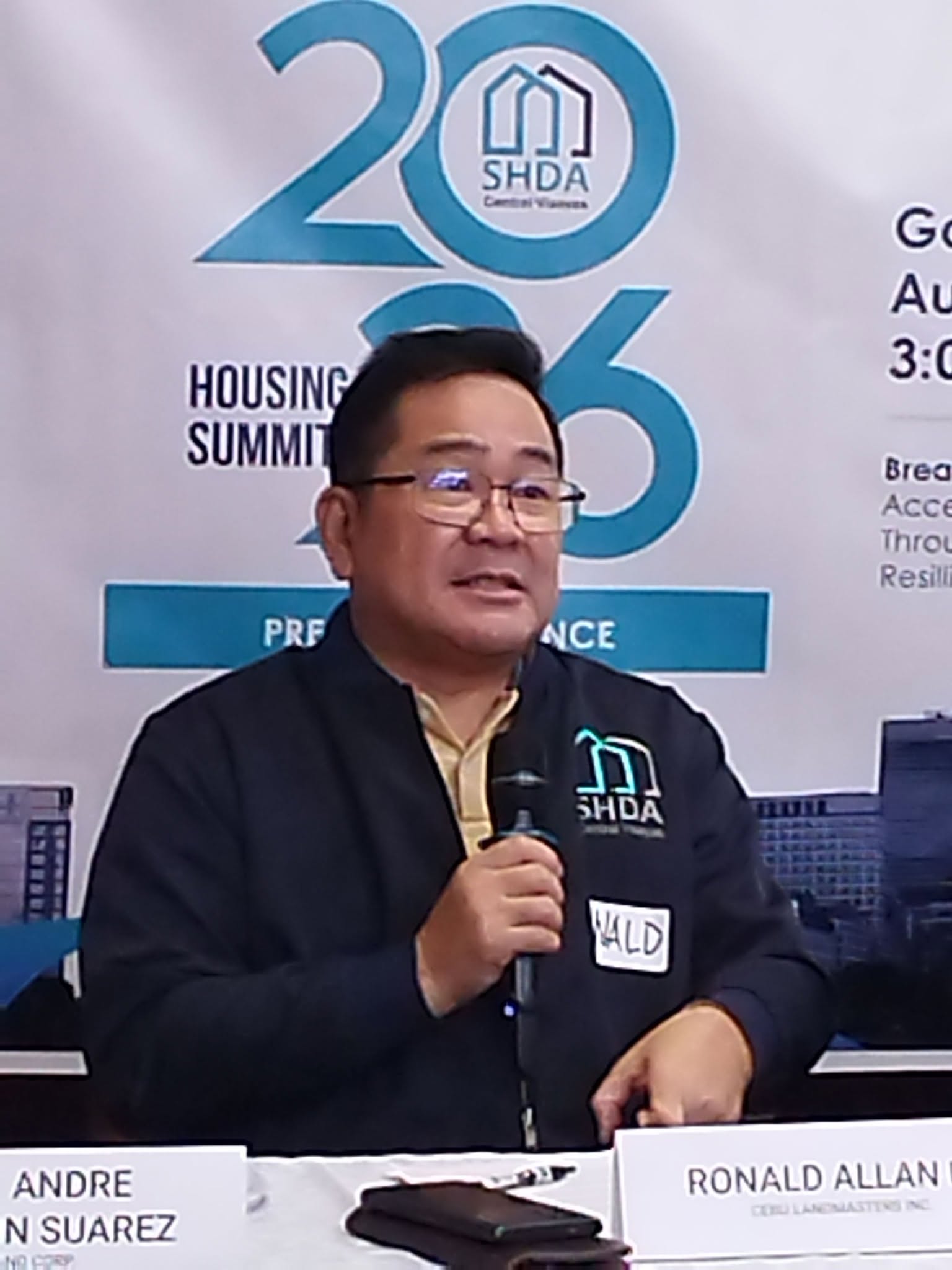
“Today, delivering a housing project is no longer simply about acquiring land, designing a good development, constructing homes and bringing them to market,” Uy said.
Developers must now deal with government regulations and taxes, environmental requirements, infrastructure limitations and the availability of water and power. They also have to manage construction and financing costs.
Uy said these concerns are connected.
A delay in one approval can push back an entire project. Higher development costs can raise the price of homes, while inadequate infrastructure can limit where new projects can be built.
Policies can also have effects beyond the problem they were intended to address, he said.
This makes coordination between government and industry even more important.
The summit’s message, Uy said, was not simply about building more houses. It was about finding ways to make housing development possible despite the challenges facing the industry.
For Salimbangon, the work should continue after the summit.
He said “Breaking Barriers, Building Forward” should mean working toward better regulations, reliable infrastructure, more affordable housing and better cooperation between government and the private sector.
“Ultimately, what we are building is more than houses. We are building communities. We are building opportunities for families,” Salimbangon said. “Collectively, we are helping build the future of Central Visayas.”